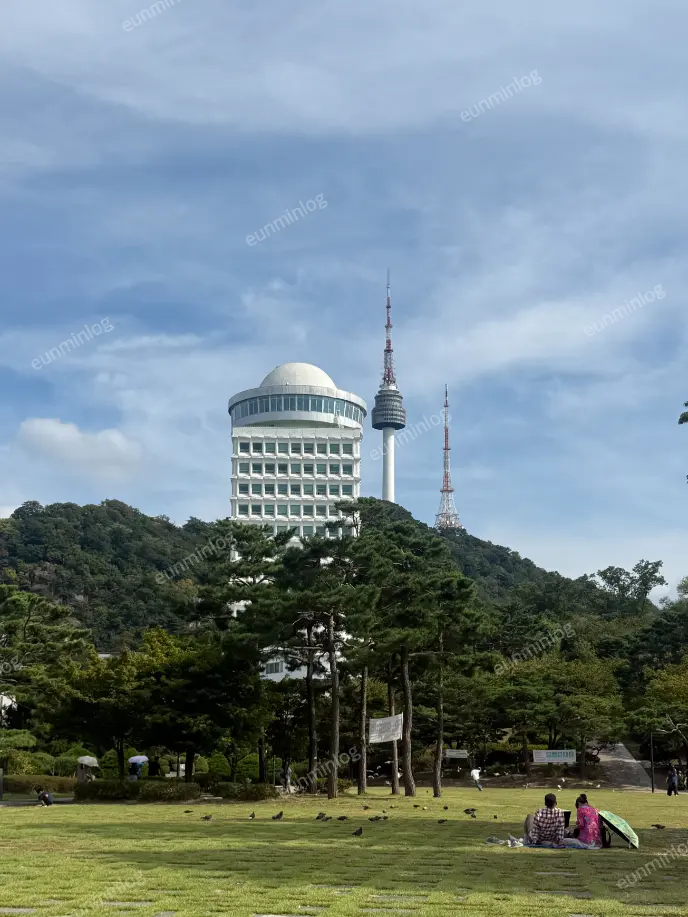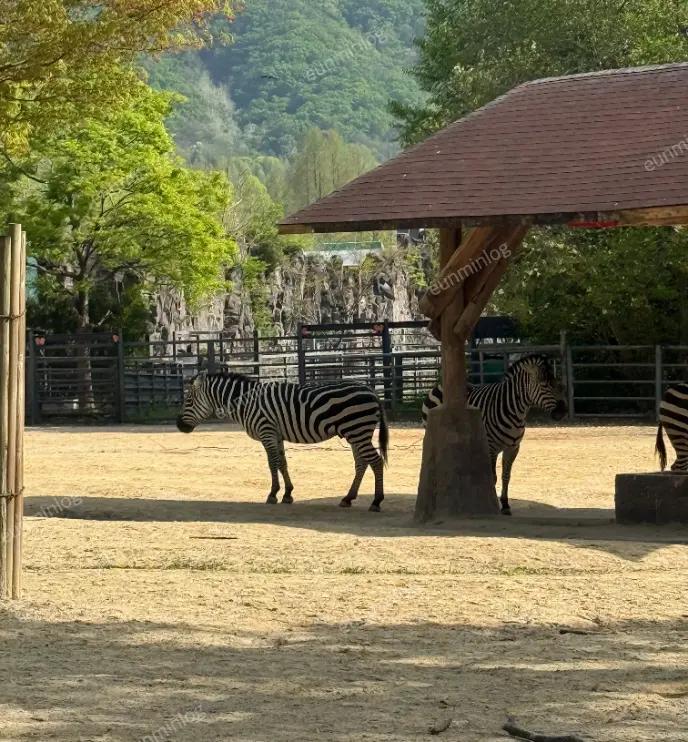
I've been so busy lately that I only took photos and never got around to posting them..
In mid-April this year, we took a spring outing to Seoul Grand Park Zoo, in Gwacheon, and I'm finally posting this rather late. Haha
We had booked lift tickets on Naver in advance, but I remember wandering around because we couldn't figure out where to board. It was too crowded to ask anyone, and even the map wasn't much help..
To keep you from getting lost like us, I'll first explain how to get there and the fares—including where to board the lift, tips for subway visitors, and how to choose between the Elephant Train and the lift—before sharing our review.
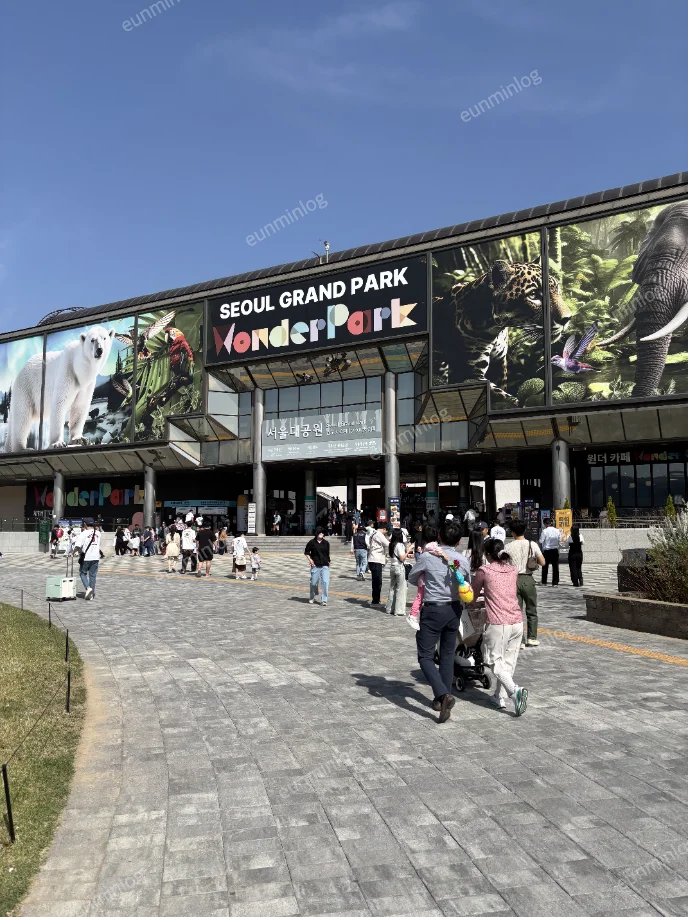
How to Get to Seoul Zoo (Elephant Train, Sky Lift, or Walking)
To reach Seoul Zoo, get off the subway at Seoul Grand Park Station on Line 4, walk to the main gate (the Grand Park entrance), and then continue farther to the zoo entrance. It took us about 15 minutes to walk from the station to the main-gate plaza. Since the zoo entrance is still quite far from there, most visitors take the Elephant Trainor the Sky Lift, or walk uphill.
① Elephant Train
[Fares]
Adults: KRW 2,000
Teens and children: KRW 1,500
All Elephant Train fares are one-way. Once you get off, you need another one-way ticket to ride again; round-trip tickets are sold only at the General Information Center. Tickets are available at the General Information Center and the boarding stops by the zoo and Seoul Land main gates.
Its biggest advantage is that it runs frequently. Trains normally arrive every 10 minutes and, during busy peak seasons, sometimes in under five minutes, so even long lines move quickly. I saw many families riding with young children or elderly relatives.
② Sky Lift (Chairlift)
We chose the Sky Lift. It resembles a ski-resort chairlift but has a canopy, making it perfect for a date while enjoying the spring scenery on the way up. The ride took about 15 minutes .
Where to Board the Sky Lift
From the front of the entrance, head to the right. At the main gate, we could only see the Elephant Train stop, so at first we were genuinely confused about where the lift was.
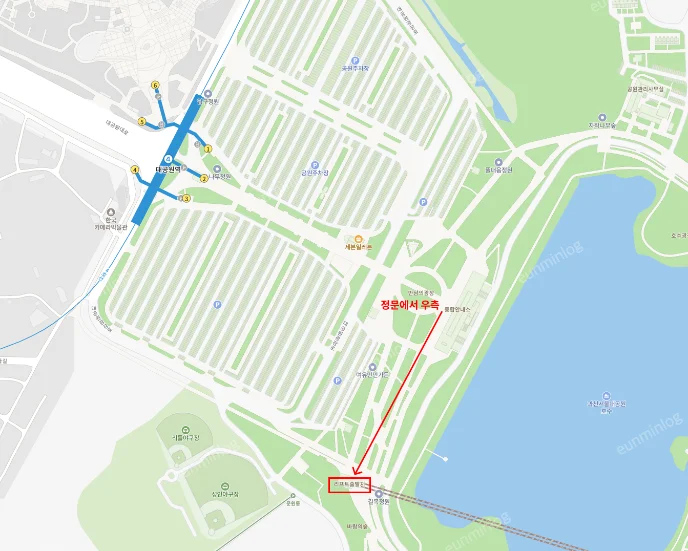
Keep walking and you'll spot a blue ticket-booth box like this.
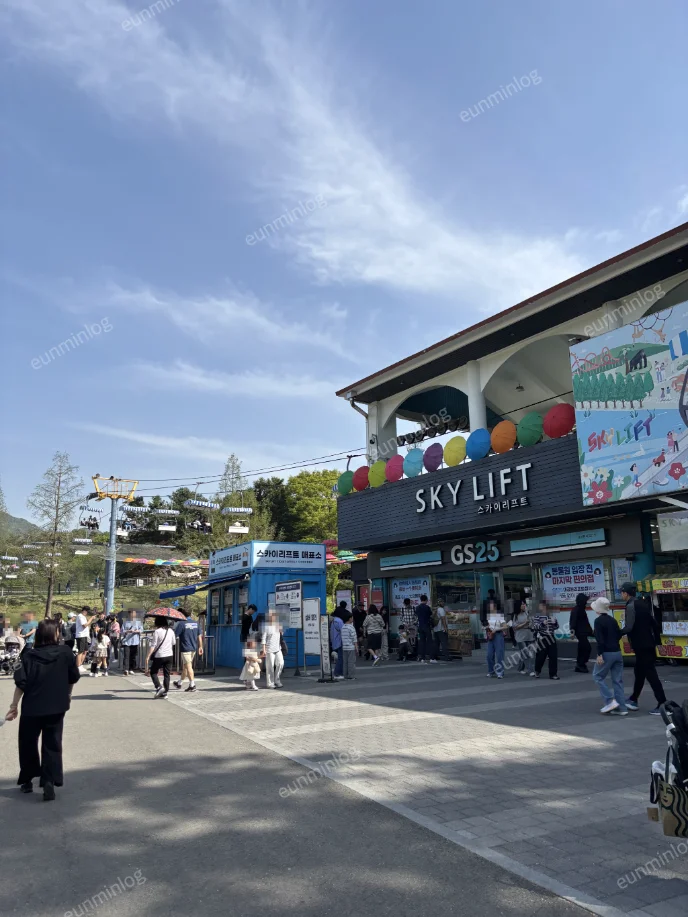
The lift has two routes.
Line 1 (outside the zoo): parking lot, subway station, and fountain ↔ zoo entrance (North Gate), Theme Garden, and National Museum of Modern and Contemporary Art
Line 2 (inside the zoo): inside the North Gate ↔ the highest point of the zoo (in front of the Big Cat House and Oriental Pavilion)
[Fares — Single Ride]
Adults: KRW 9,000
Teens: KRW 5,500
Children: KRW 5,000
[Fares — Two Rides]
Adults: KRW 16,000
[Fares — Unlimited]
Adults: KRW 21,000
Operating hours from April through October are:
Line 1: 9:30 AM–7:00 PM
Line 2: 9:30 AM–5:40 PM
You must board no later than 20 minutes before closing.
⚠️ One important note: for safety and accessibility improvements, the Sky Lift is scheduled to suspend operations sometime in 2026 for gondola construction. (It may already be closed by now..)
If you want that uniquely open, airy lift experience, I recommend checking whether it is running before you go.
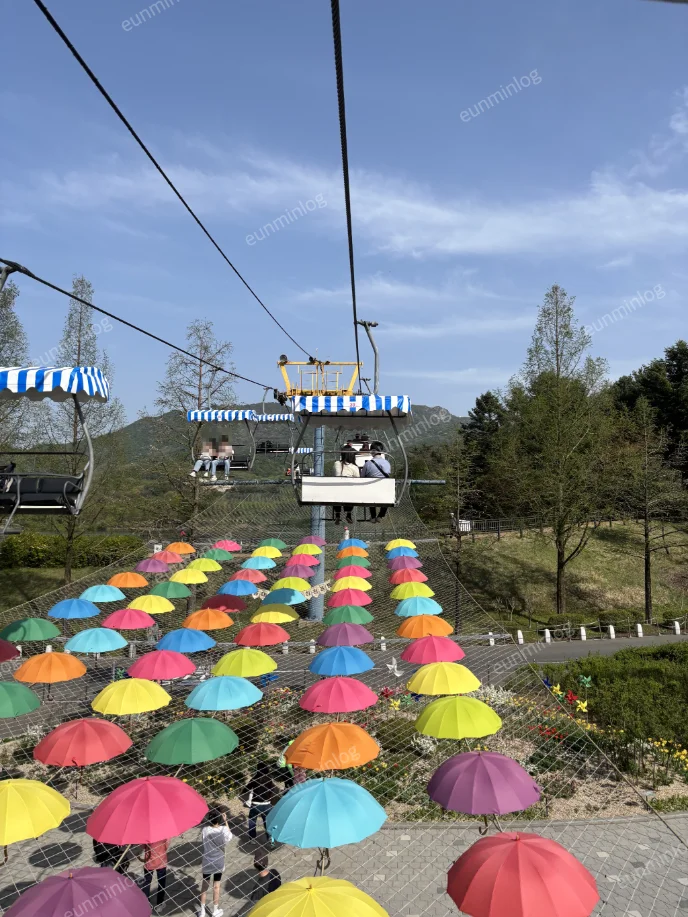
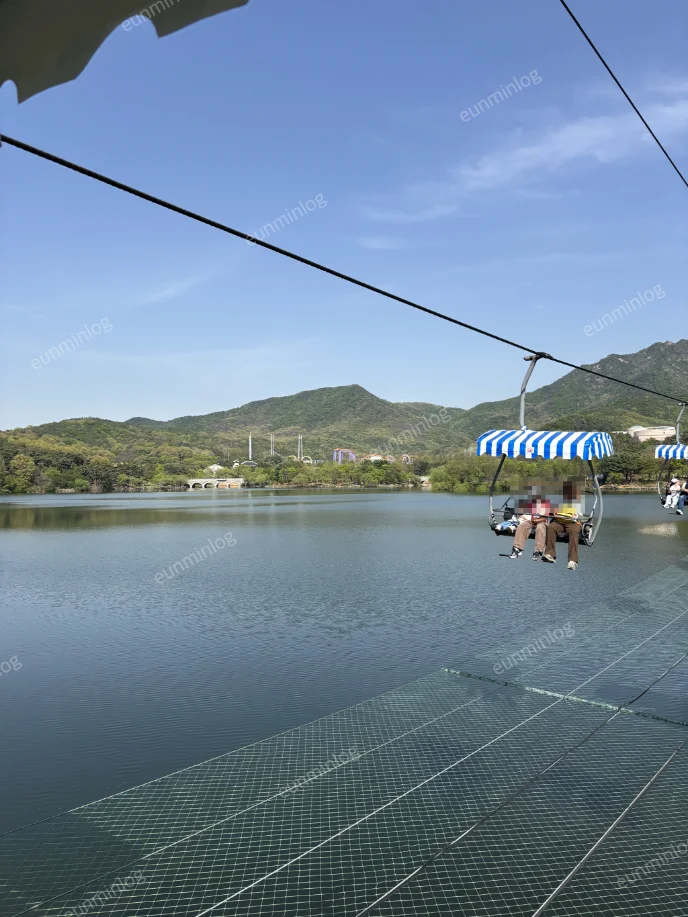
③ Walking Uphill
Walking up costs nothing extra(you only pay zoo admission). However, the distance from the main gate to the zoo entrance is considerable, so choose based on your stamina and companions. Flowers line the path in spring and fall, making the walk enjoyable, but I recommend the Elephant Train or lift in midsummer or midwinter.
④ Naver Reservation vs. On-site Ticketing
As briefly noted above, the process differs slightly depending on whether you use an online reservationor buy through on-site ticketing. This confused us, so I've laid it out clearly below.
Category | Online reservation through Naver, etc. | On-site ticketing |
|---|---|---|
Zoo admission ticket | Pay in advance, then enter with a mobile ticket (QR code) or exchange it at the ticket office | Buy directly at the zoo's main-gate ticket office |
Lift ticket | After purchase, exchange it for a physical ticket only at the booth in front of the Sky Lift main building (pickup is unavailable at other boarding stations) | Buy directly from the ticket booth at each boarding-station entrance |
Admission Fees and Operating Hours
Seoul Zoo admission costs KRW 5,000 for adults (ages 19–64), KRW 3,000 for teens (ages 13–18), and KRW 2,000 for children (ages 6–12). Children age five and under and adults age 65 and over enter free, while Climate Card holders receive a 50% discount. Admission tickets are valid only on the day of purchase.
Category | Adult | Teen | Child |
|---|---|---|---|
Zoo admission | KRW 5,000 | KRW 3,000 | KRW 2,000 |
Elephant Train (one way) | KRW 2,000 | KRW 1,500 | KRW 1,500 |
Sky Lift (single ride) | KRW 9,000 | KRW 5,500 | KRW 5,000 |
Operating hours vary by season.
Spring and fall (March–April, September–October): 9:00 AM–6:00 PM
Summer (May–August): 9:00 AM–7:00 PM
Winter (November–February): 9:00 AM–5:00 PM
You may enter until one hour before closing , and the zoo is open year-roundwith no regular closing days. In mid-April, when we visited, it closed at 6:00 PM, so even arriving at 2:00 PM gave us plenty of time to look around. I'll cover parking feesagain below, but here is a quick overview.
Standard car (Kakao T payment): KRW 3,000 for the first two hours / KRW 1,000 per additional 30 minutes / daily maximum KRW 5,000
Standard car (advance or exit payment): KRW 4,000 for the first two hours / KRW 1,500 per additional 30 minutes / daily maximum KRW 6,000
Large vehicle: KRW 6,000 for the first two hours / KRW 2,000 per additional 30 minutes / daily maximum KRW 14,000
Valet parking: KRW 15,000 via Kakao T / KRW 20,000 by card on site
Exit within 30 minutes is free
Animals at Seoul Grand Park
Seoul Zoo is enormous, and one circuit took us about two to three hours . Here are the areas that stood out most.
Tigers and the Big Cat House
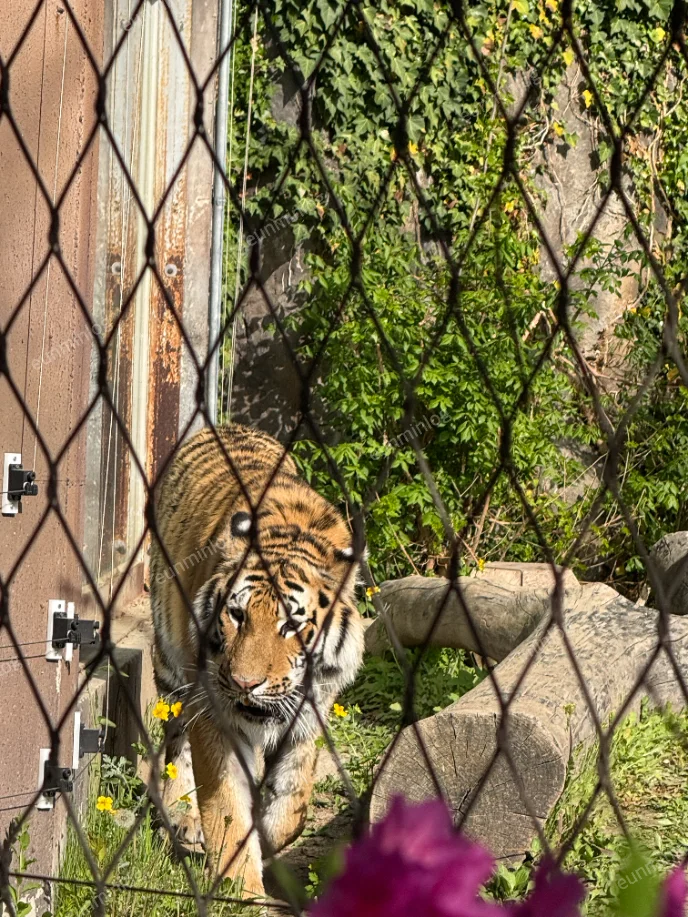
The most impressive place was the Big Cat House. We were lucky enough to visit while a tiger was roaming around. For planning your route, getting off at the top station of Lift Line 2 puts you close to the Big Cat House and Oriental Pavilion.
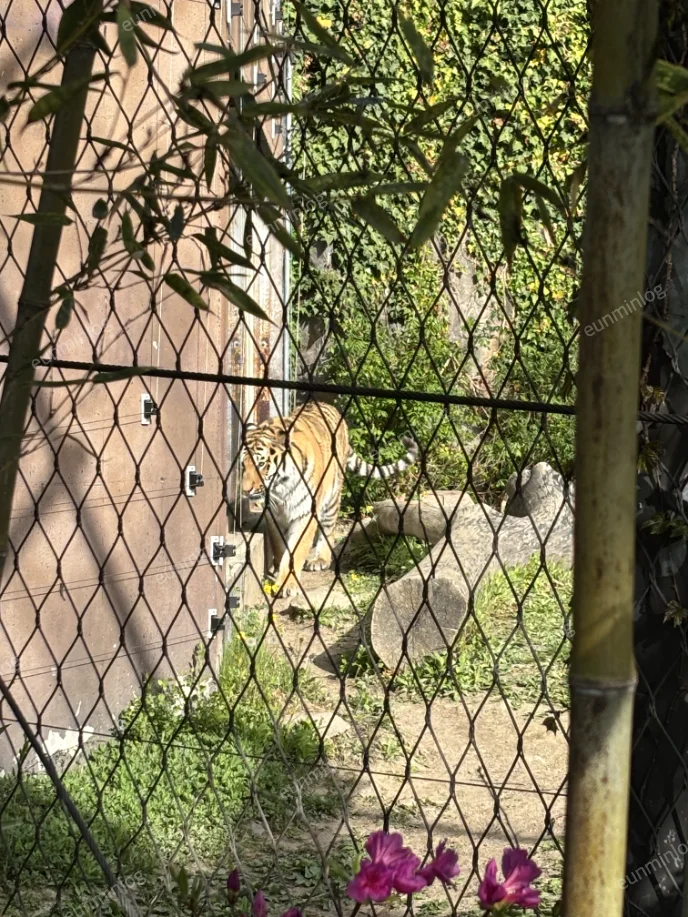
Tigers are popular, so the best viewing spots were packed.. We barely managed to see one through the bars.
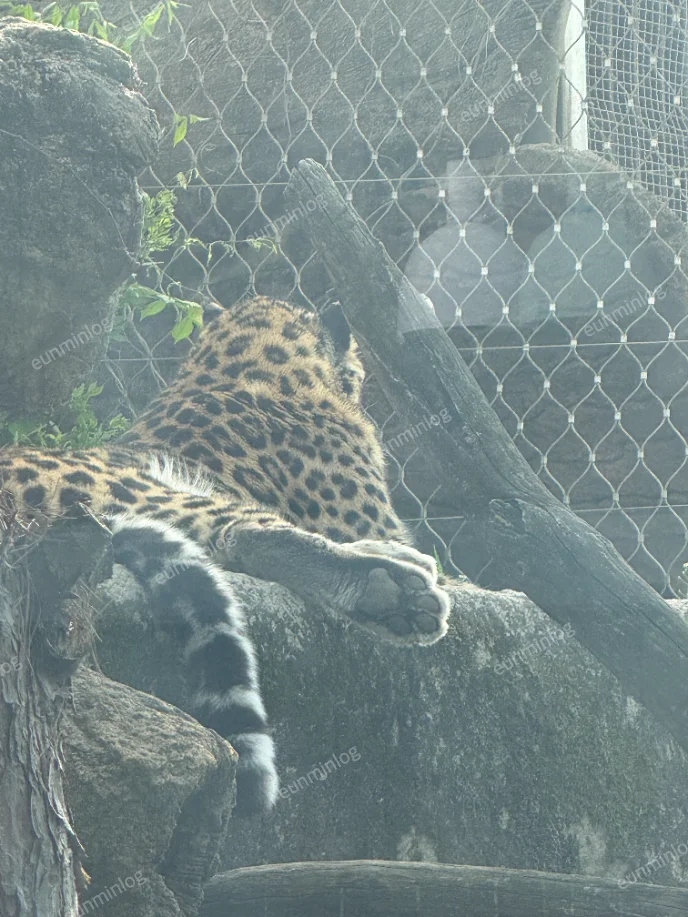
Leopard
The leopard was definitely perched high up. It wouldn't show us its face, so I only managed to snap a cute photo of its giant paw pads.
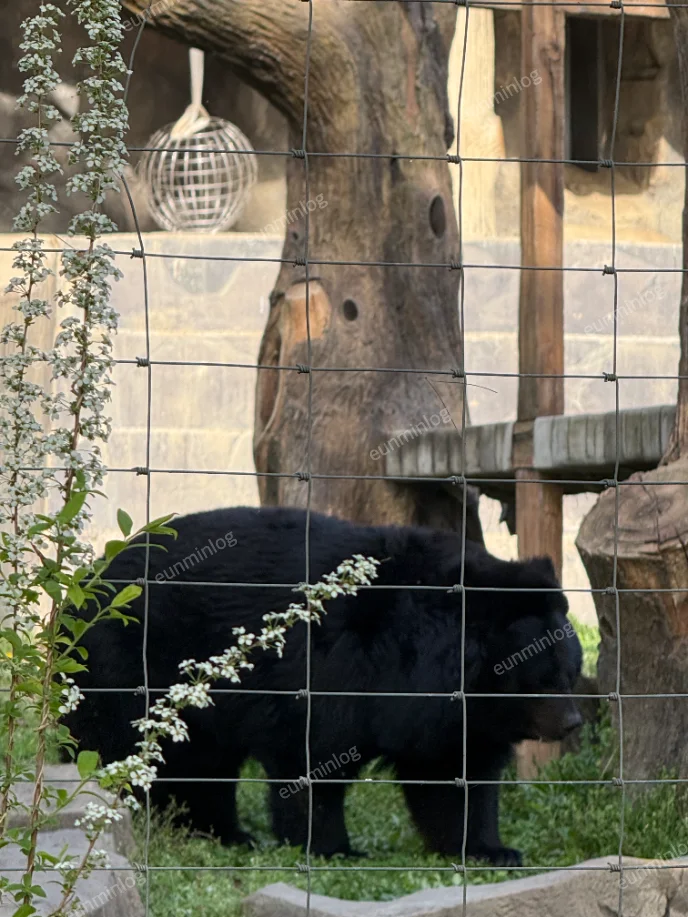
Asiatic Black Bear
We only caught a glimpse of the Asiatic black bear passing by, and it was smaller than I expected.(?)
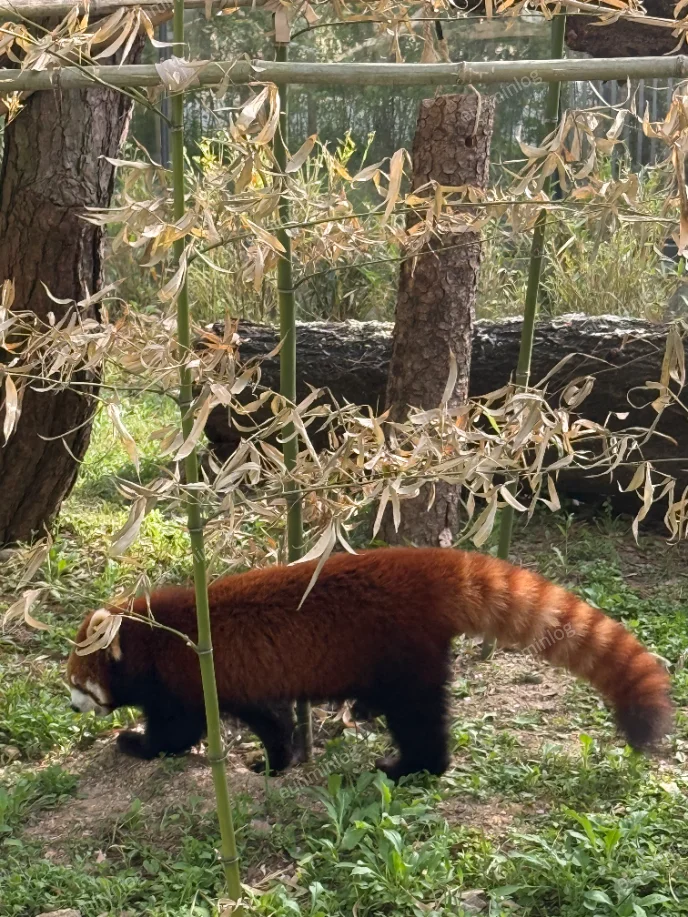
Red Panda
Maybe because it's the most fearsome predator of all, the red panda area drew the biggest crowd.
Taking photos was really difficult, and because children love them too, I remember the walkway feeling especially cramped. 😅
Rhinoceros
The rhino enclosure was great as well. I think there were two of them, and after only seeing rhinos on TV, viewing them in person felt amazing.
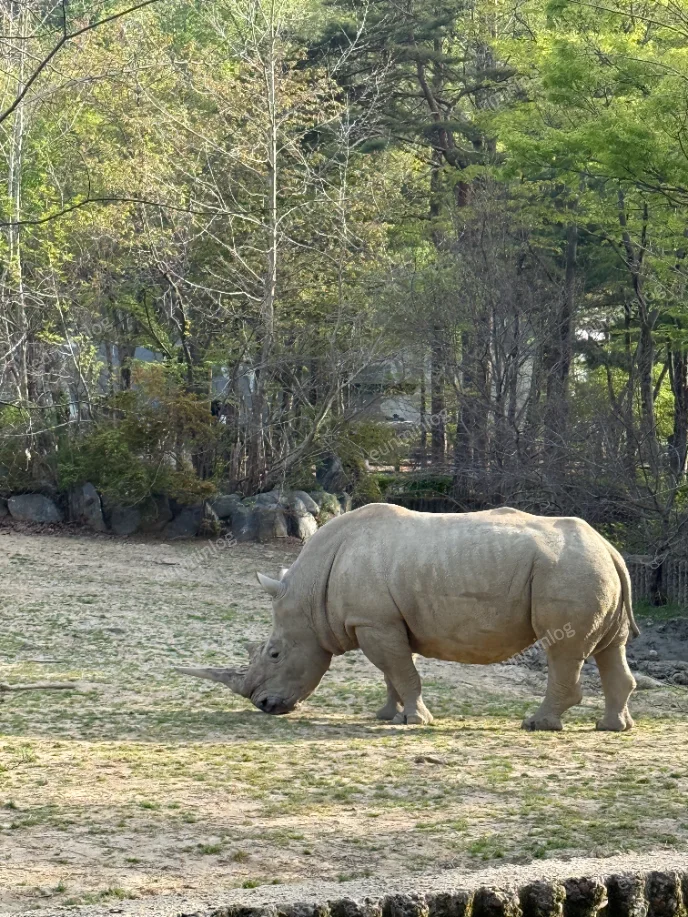
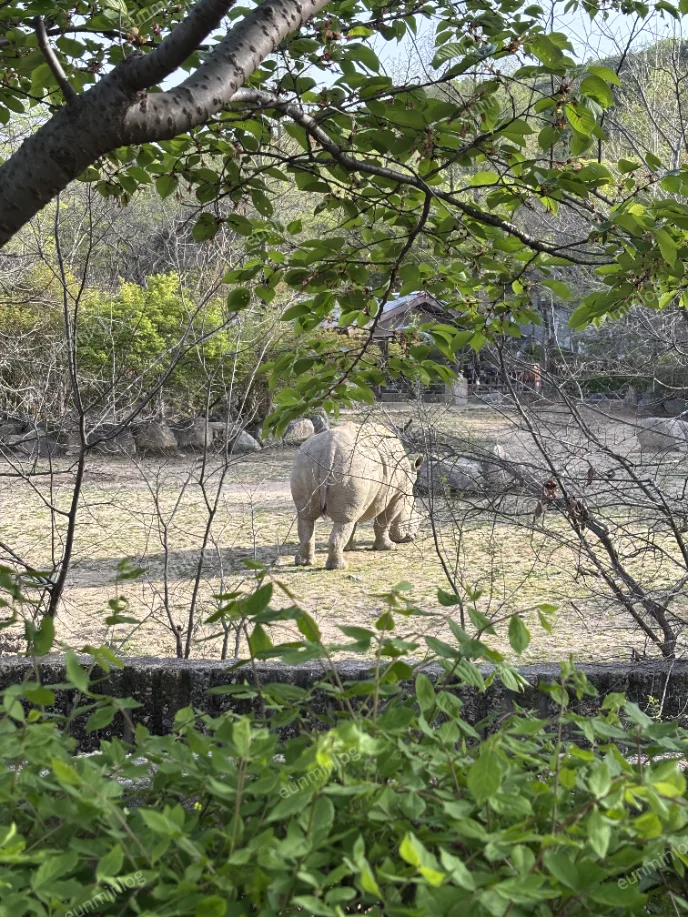
There is also an elephant area nearby, but they happened to be indoors when we went, so we missed them..
Oriental Pavilion (Indoor Area and Crocodiles)
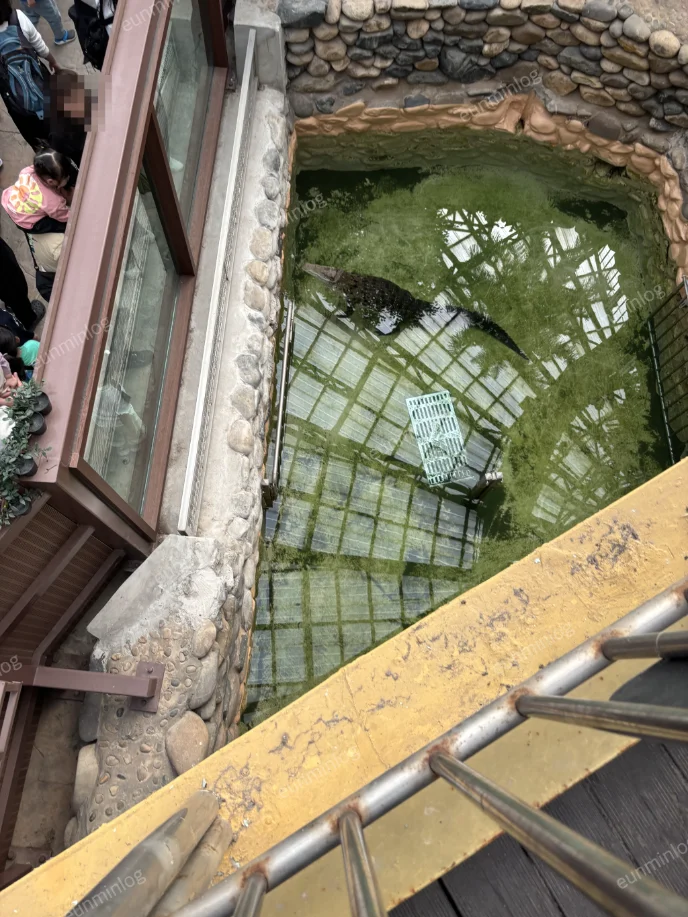
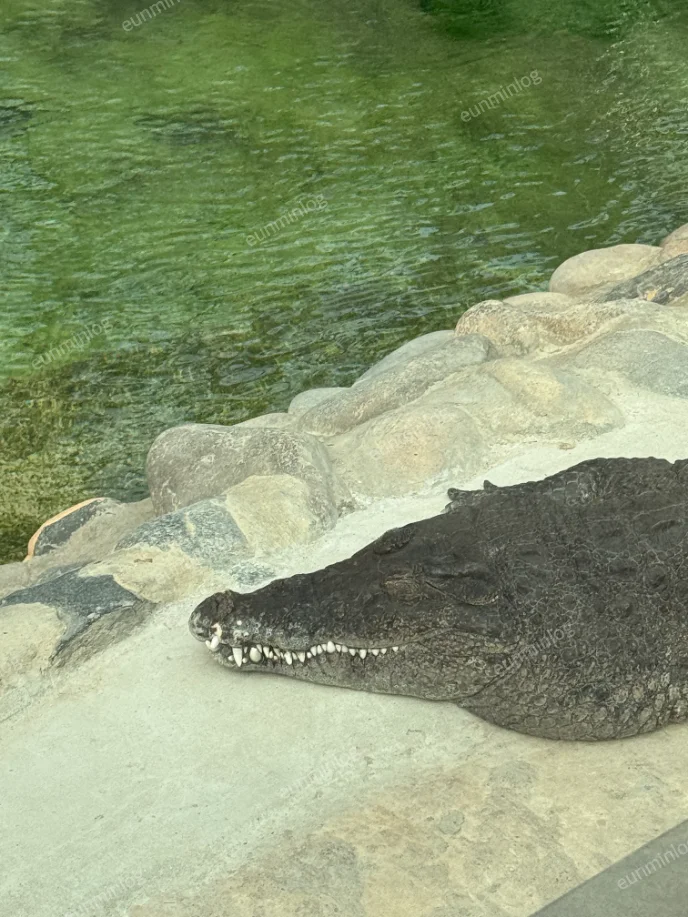
The Oriental Pavilion housed crocodiles from marsh habitats along with other wetland and tropical animals. Although it is indoors, it was crowded and very humid , so we took a quick look and left. It already felt warm in April; in the height of summer, it must feel like a sauna..
Other Animals
Zebra
Korean serow
Camel
Hippopotamus
Monkey
Peacock
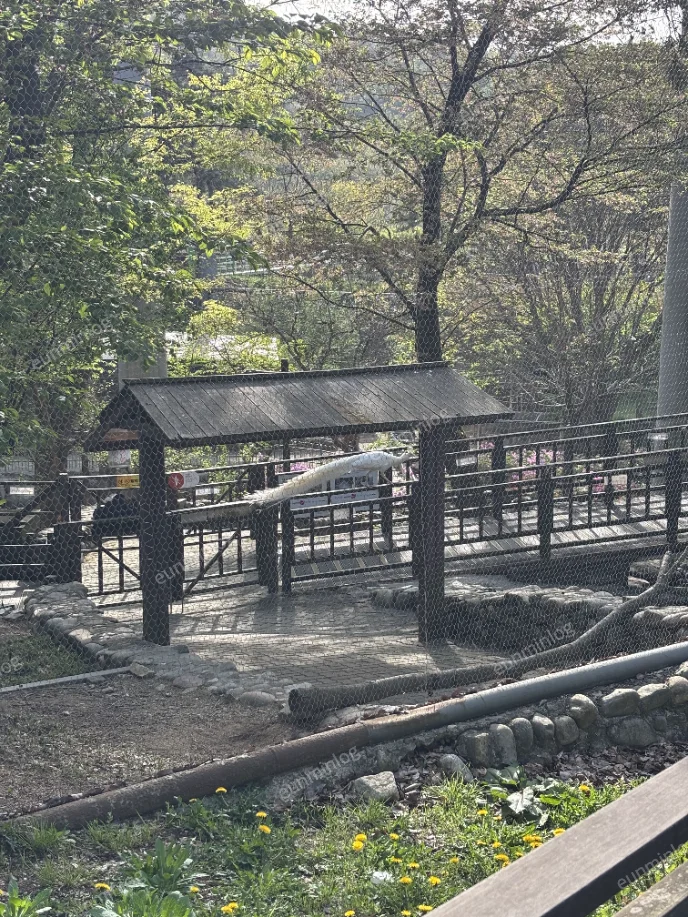
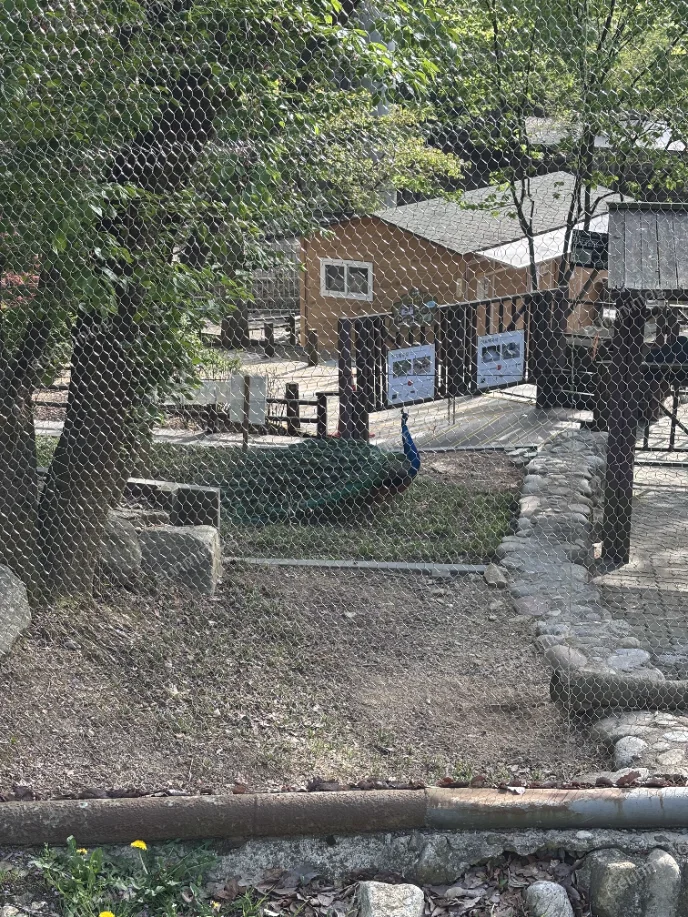
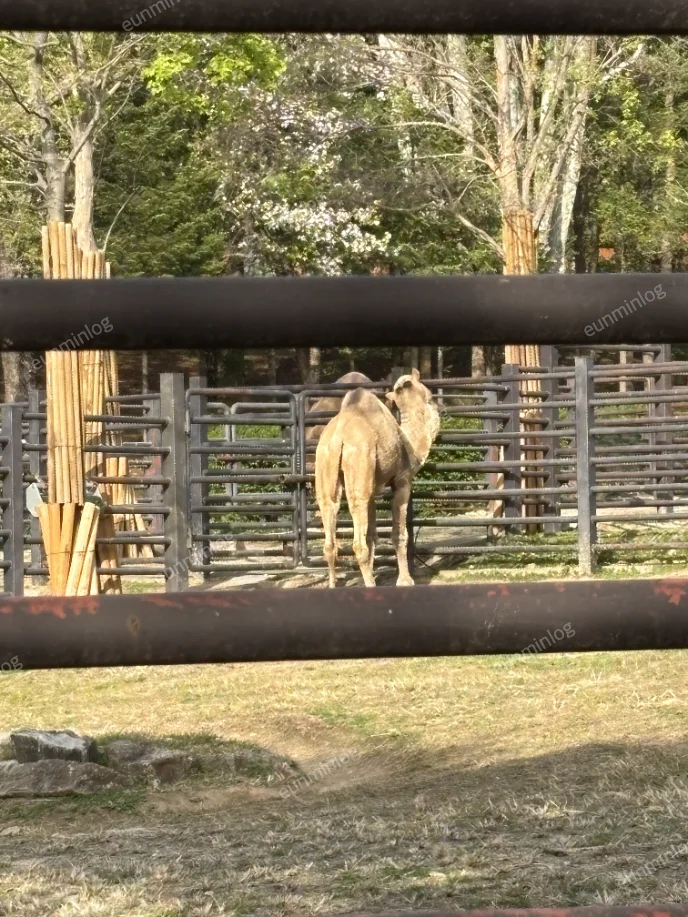
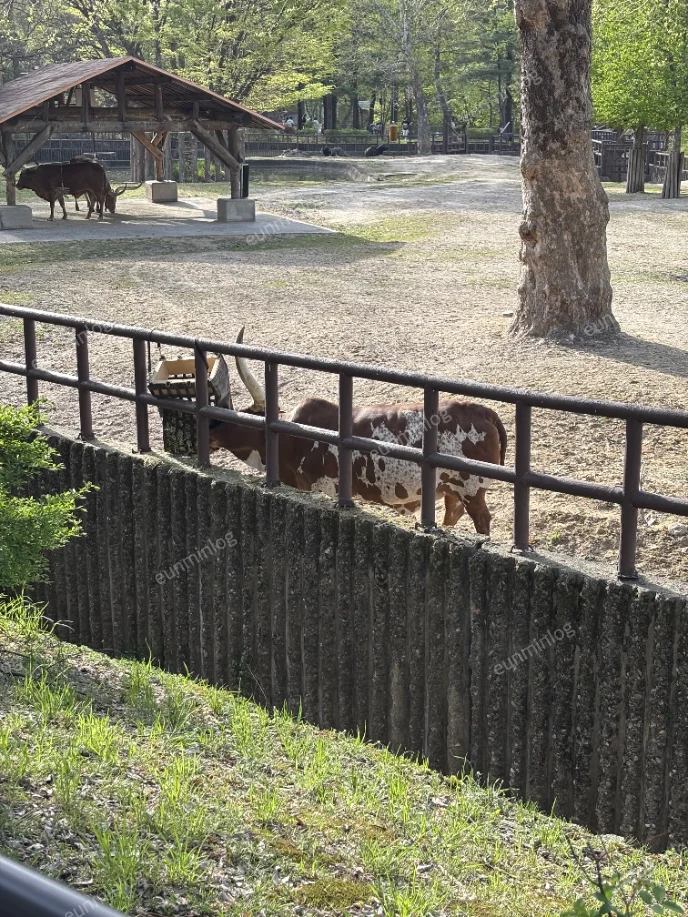
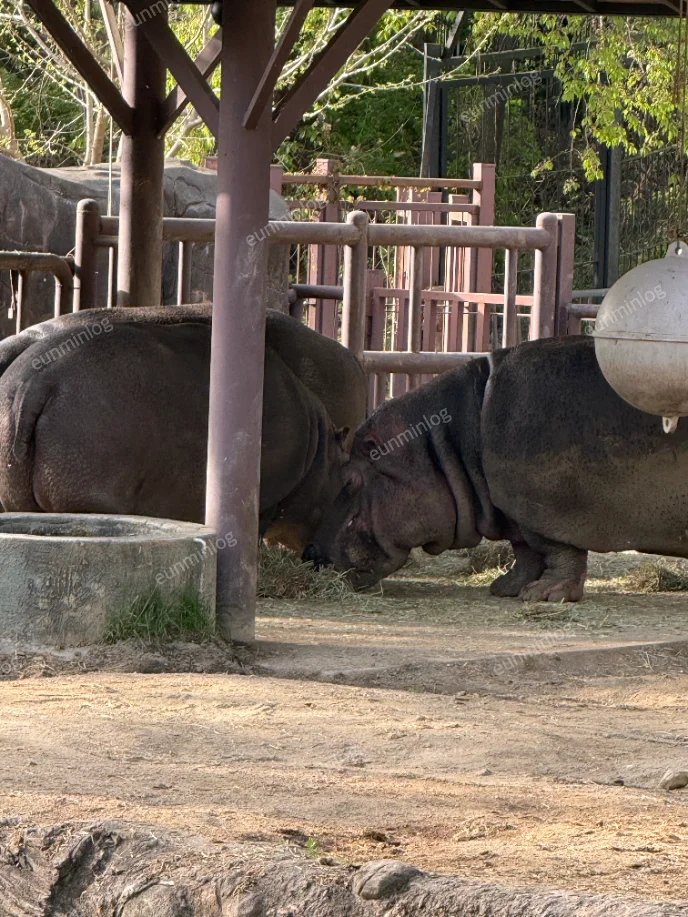
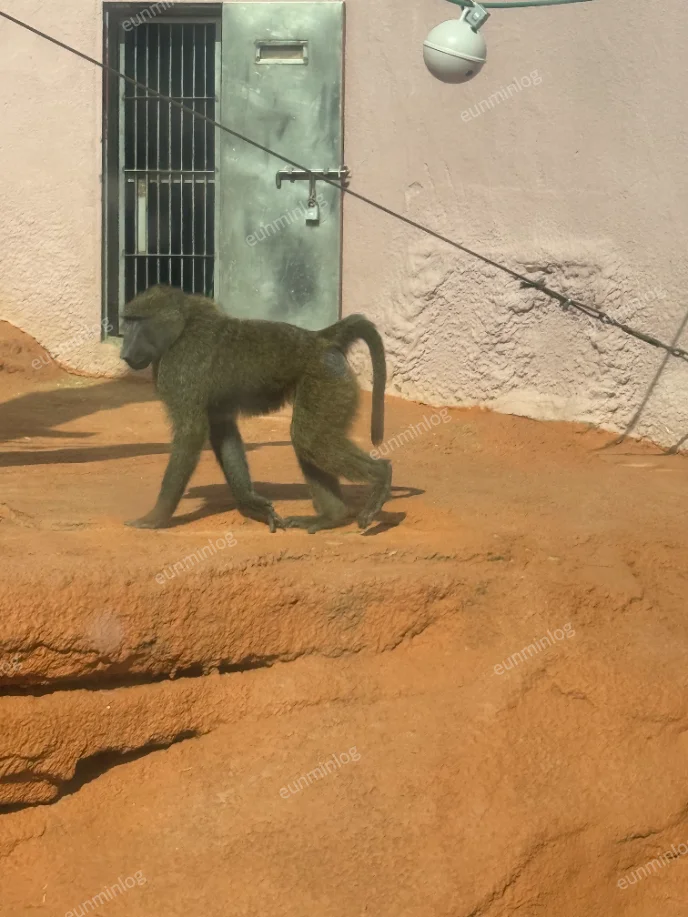
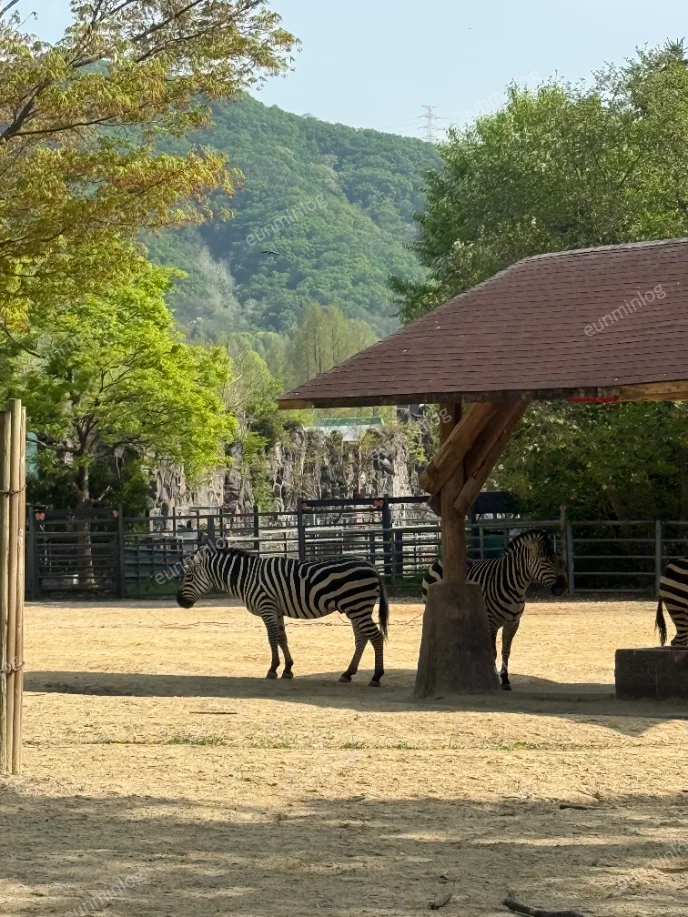
There are many more animals than the ones listed above. We didn't have enough time to see everything, so we eventually headed out. Many parents were pushing strollers the entire way.. Honestly, they were incredible.. 😲 It was surprisingly warm, and even walking with a light bag felt exhausting..
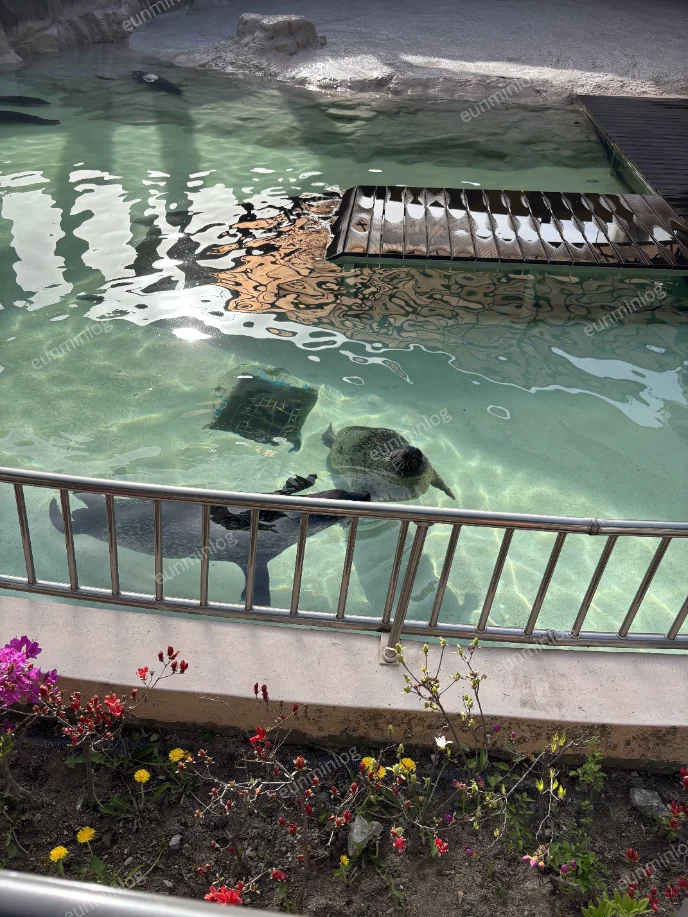
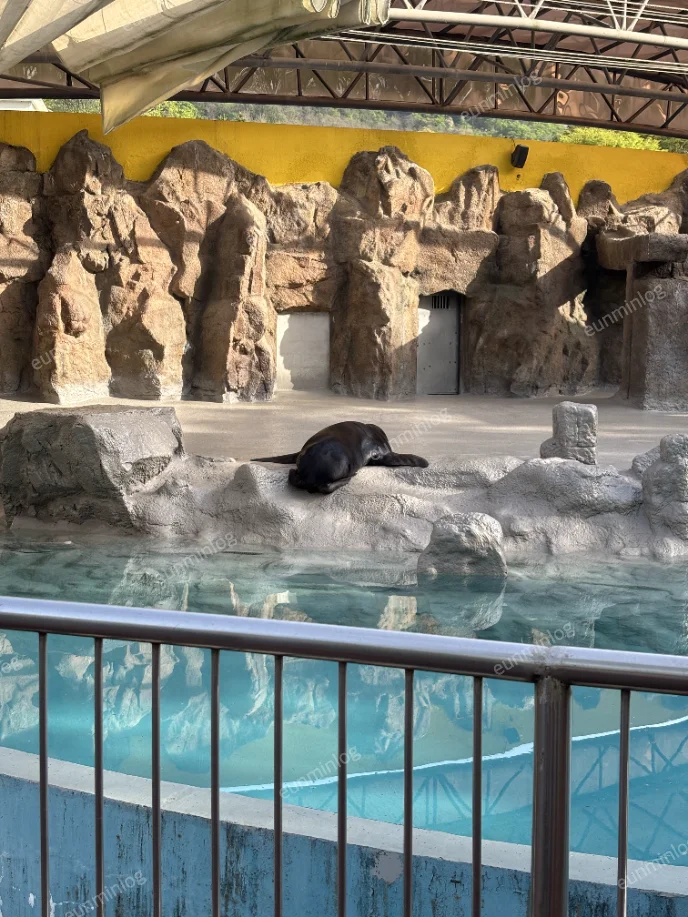
Marine Animal House
Personally, this was my favorite area. Haha
Sea lion
Seal
Watching them felt so peaceful and relaxing somehow..
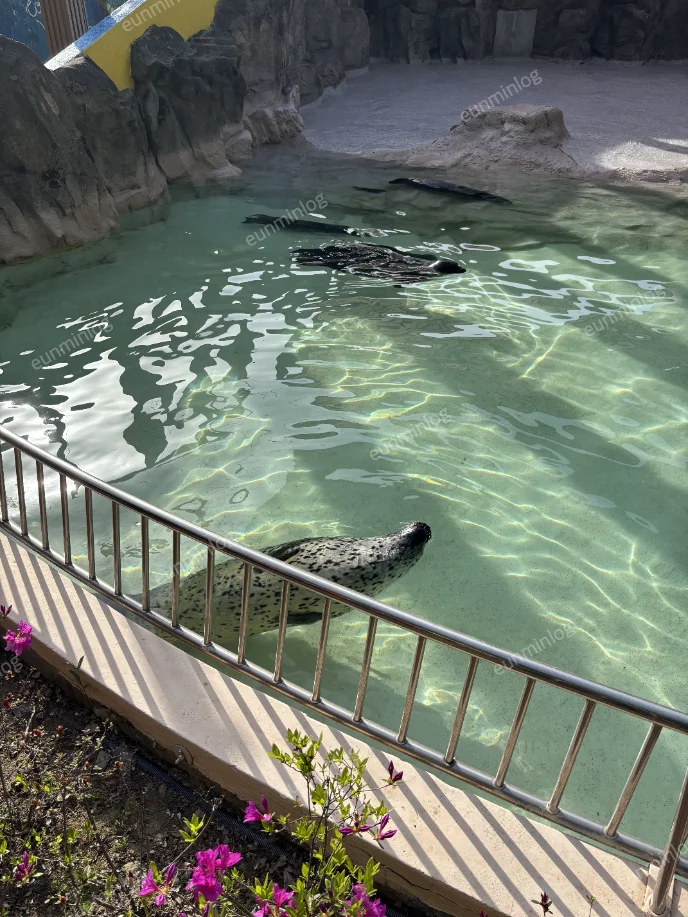
Spring Flower Walk, Snack Stands, and Rest Areas
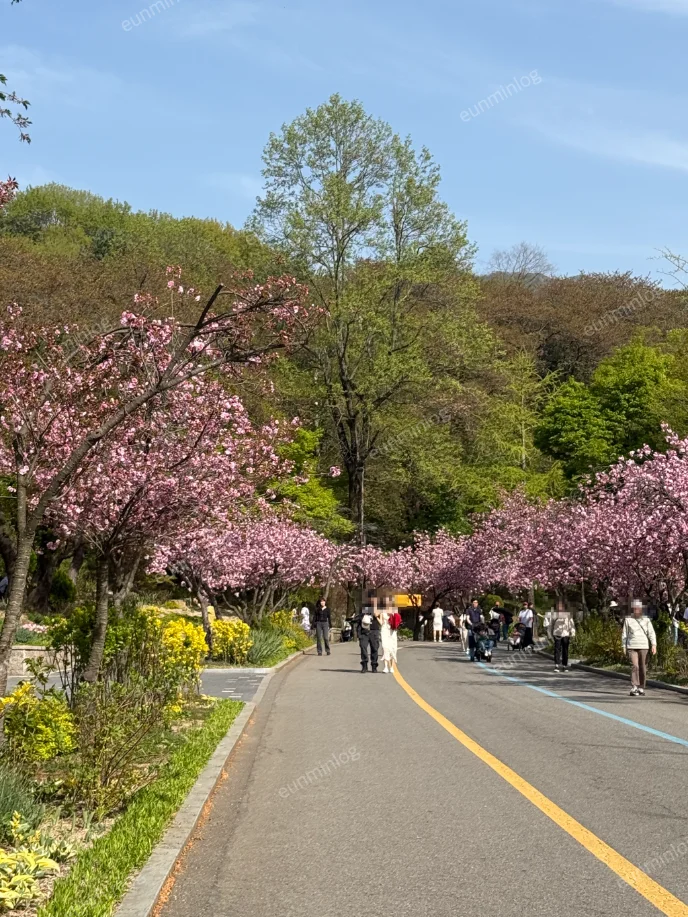
The zoo paths were lined with spring blossoms and double-flowered cherry trees, making them wonderful for a date. Strolling along flower-filled paths between animal exhibits was a delight.
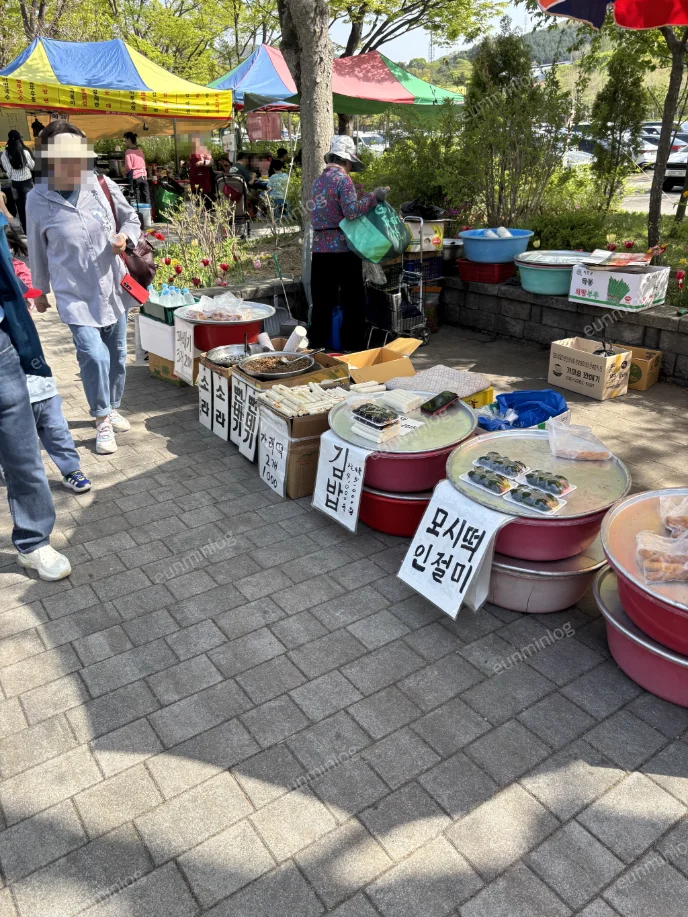
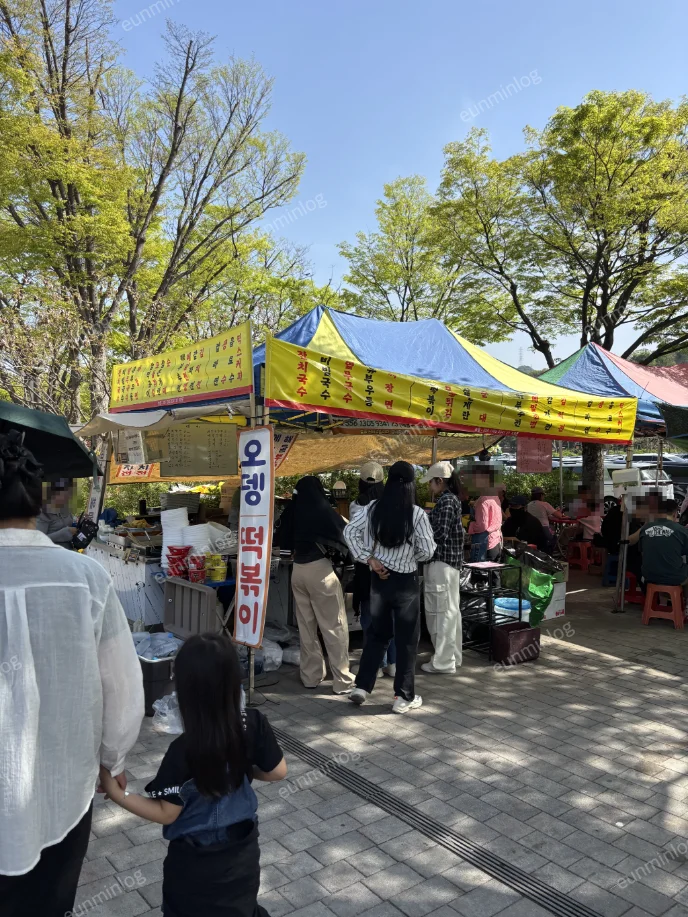
There are snack standsthroughout the zoo, handy for grabbing a quick bite or drink, and benchesnearby where you can eat and take a short break. Before entering the zoo, the area in front of the Grand Park main gatealso had plenty of food options, from chicken shops such as bhc and BBQ to kiosks and street food.
Amenities (Restrooms, Smoking, Strollers, and More)
Seoul Zoo is well equipped with essential amenities, including stroller and wheelchair rentals, storage lockers (coin lockers), a nursing room, first-aid room, snack stands, and restaurants . If you're visiting with a baby or carrying lots of luggage, check the rental and storage facilities at the information desk near the zoo entrance first.
Restrooms
There are plenty of restrooms throughout the zoo. They are easy to access along the viewing route, and separate accessible restrooms are provided for men and women. A nursing room and first-aid room are also available, making visits with children less stressful.
Smoking Area
You should consider the zoo's viewing area entirely smoke-free. Seoul Grand Park has strict rules, including bans on cooking and pitching tents, and smoking is difficult anywhere along the animal-viewing route. If you absolutely need to smoke, you will likely have to find a permitted spot on the outskirts, such as beyond the main-gate plaza.
Parking (Seoul Grand Park)
If you're driving, here are a few useful points. Seoul Grand Park's parking lot uses a pay-on-exit system. Choose one of the following payment methods.
Mobile advance payment: pay beforehand in the Kakao T app and drive straight out
On-site advance payment: pay at an unattended kiosk (in front of the zoo main gate or General Information Center), then exit
Payment at exit: pay at the exit machine before leaving
Paying in advance before returning to your car makes your departure much quicker. Note that the National Museum of Modern and Contemporary Art parking lot has a different fee system from Seoul Grand Park. Seoul Land visitors receive one free exit per day upon presenting a same-day admission ticket or receipt, but tickets for the zoo, museum, Sky Lift, or campground do not qualify for free parking.
Crowd Tips and Leaving the Park (Lift vs. Elephant Train)
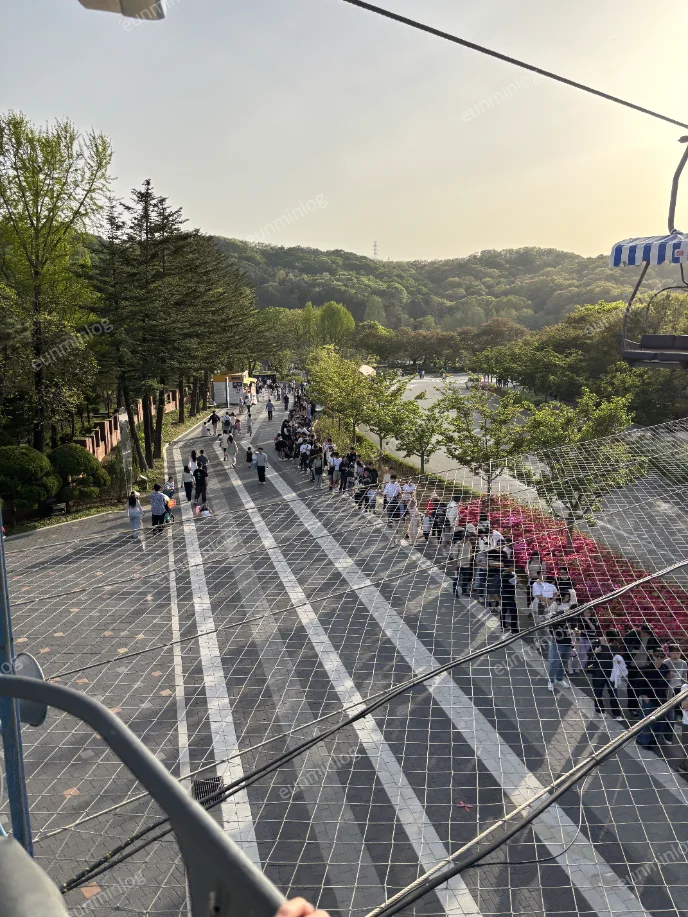
Around closing time, the Elephant Train is faster than the lift. Everyone leaves at once after finishing their visit. On our way down, the lift line was long, and we waited about 20 minutes (compared with around 10 minutes on the way up). The Elephant Train, by contrast, arrived every five minutes and cleared its line quickly. If you're racing the clock near closing, it is the less stressful choice.
That line stretching all the way into the distance is the closing-time queue for the lift.. Haha
Weather and Atmosphere
In mid-April, it was pleasant for walking around the zoo, though slightly warm. After spending so much time outdoors, the indoor animal houses—apart from the Oriental Pavilion—felt a little cooler. There were many families and plenty of couples on dates, giving the whole place a lively, cheerful atmosphere.
Summary
Item | Details |
|---|---|
Admission (adult) | KRW 5,000 (teens KRW 3,000 / children KRW 2,000; free for ages 5 and under and 65 and over) |
Operating hours (April) | 9:00 AM–6:00 PM; last admission one hour before closing; open year-round |
Elephant Train | Adults KRW 2,000 one way; frequent and fast (recommended near closing time) |
Sky Lift | Adults KRW 9,000 for one ride (note: operations scheduled to stop sometime in 2026) |
Time needed | About two to three hours for one circuit of the zoo |
Best seasons | Spring (double-flowered cherry blossoms) and fall, when the weather is ideal for walking |
With its huge grounds and countless things to see, this was an excellent destination for both a date and a family day out. Visit when the spring flowers are blooming and you can enjoy animals and blossoms in one trip. On a fine day, I highly recommend visiting Seoul Grand Park and Seoul Zoo in Gwacheon !